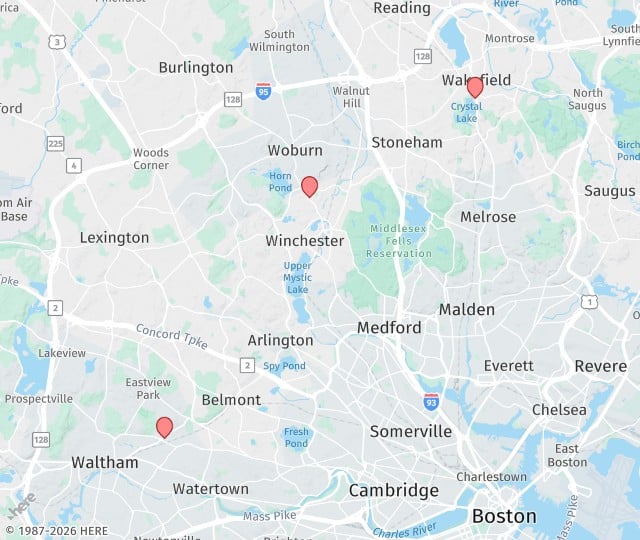
A few floaters that have looked the same for years are different from suddenly seeing a cluster of new spots, flashes, or a missing area in your vision. Our retina care at North Suburban Eye Associates, P.C. includes evaluation of retinal disease and concerning vision changes in Wakefield and Winchester. Shilpa Desai, MD specializes in vitreoretinal diseases and surgery, completed a two-year vitreoretinal fellowship, and is an Assistant Professor of Ophthalmology at Tufts University School of Medicine.
Which Retina Warning Signs Need Prompt Attention?
Changes that appear abruptly deserve particular attention. Contact an eye doctor right away if you notice:
- A new shower of floaters: These may look like dots, specks, strands, or cobwebs moving across your sight.
- New flashes of light: Flashes that begin unexpectedly, especially alongside new floaters, can occur when the vitreous pulls on the retina.
- A curtain, veil, or dark shadow: A shaded or missing portion of your visual field can be associated with retinal detachment.
- Marked blurring or loss of vision: A rapid change affecting part or all of your sight should be evaluated promptly.
Floaters themselves are common, particularly as the gel inside the eye changes with age. A few long-standing floaters that remain stable are different from a noticeable increase or a new pattern. The combination of new floaters with flashes or loss of part of the visual field is more concerning.
A retinal tear or detachment is one possible explanation, but symptoms alone cannot tell you what is happening. Our retinal detachment guide explains more about this condition and its warning signs.
What Can Different Vision Changes Mean?
Retinal conditions do not all begin in the same way. A retinal vein occlusion may cause blurred or distorted sight, dark spots, floaters, or loss of part of the visual field. Problems affecting the macula tend to interfere with the detailed central vision you use for reading and recognizing faces. Macular degeneration can cause central blurring or distortion as it progresses.
Other retinal diseases may cause little or no noticeable change early on. Diabetic retinopathy, for example, can damage retinal blood vessels before vision is noticeably affected. Regular eye exams are especially useful when a medical condition can affect the retina quietly.
What Happens During a Retinal Evaluation?
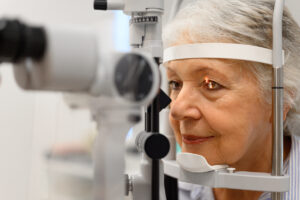
Tell your eye doctor exactly what changed, when it began, and whether it affects one or both eyes. That history helps narrow down what needs to be examined. A dilated eye exam allows the retina to be viewed directly, and imaging such as optical coherence tomography, or OCT, may be used to examine retinal structures more closely.
If you experience a major change in sight or lose part of your visual field, call North Suburban Eye Associates, P.C. at 781-245-5200 for urgent guidance from Dr. Desai and our retina team in Wakefield or Winchester, MA. If an eye doctor cannot be reached promptly for an apparent vision emergency, seek emergency medical care. For non-emergency retinal concerns or appointment requests, contact us.