A sudden change in vision can be alarming, especially when it affects daily activities like reading, driving, or recognizing faces. Retinal vein occlusion (RVO) is a common retinal vascular condition that occurs when a vein that drains blood from the retina becomes blocked. This blockage can lead to swelling, bleeding, and vision impairment that may worsen without timely treatment. Fortunately, advances in retinal care allow many patients to preserve and improve their vision through early diagnosis and targeted treatment.
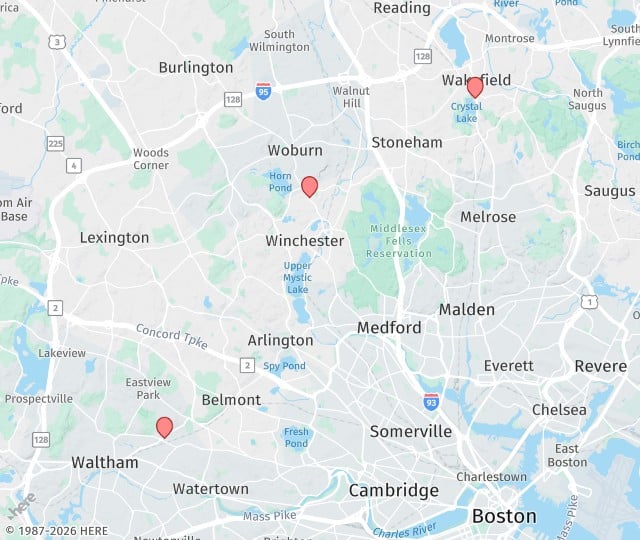
At North Suburban Eye, our experienced ophthalmologists and retina specialists provide comprehensive evaluation and treatment for retinal vein occlusion. Using advanced diagnostic imaging and evidence-based therapies, we develop personalized treatment plans designed to protect retinal health and maximize visual outcomes. Patients throughout Wakefield, Winchester, and surrounding Massachusetts communities trust our team for expert care delivered with compassion and precision.
What Is Retinal Vein Occlusion?
The retina is a thin layer of tissue at the back of the eye that converts light into signals sent to the brain. Retinal veins carry blood away from the retina. When one of these veins becomes blocked, blood and fluid can build up within the retina, causing swelling and vision changes.
Retinal vein occlusion is often compared to a "stroke of the eye" because it involves a blockage in the retinal circulation. The condition can develop suddenly and may affect one eye at a time.
What Are the Different Types of Retinal Vein Occlusion?
There are two primary forms of retinal vein occlusion:
Branch Retinal Vein Occlusion (BRVO)
A blockage occurs in one of the smaller retinal veins. Vision changes may affect only part of the visual field, depending on the location of the obstruction.
Central Retinal Vein Occlusion (CRVO)
The main retinal vein becomes blocked, often causing more widespread retinal swelling and potentially more significant vision loss.
What Are Symptoms of Retinal Vein Occlusion?
Symptoms can vary depending on the severity and location of the blockage. Common signs include:
- Sudden blurred vision
- Distorted vision
- Dark spots or floaters
- Partial loss of vision
- Gradual worsening of central vision
- Difficulty reading or recognizing faces
Any sudden change in vision should be evaluated promptly by an eye care professional.
What Treatments Are Available?
Treatment depends on the type and severity of retinal vein occlusion and whether complications such as macular edema are present.
Common treatment options include:
- Anti-VEGF injections to reduce retinal swelling
- Corticosteroid injections or implants
- Laser therapy in selected cases
- Ongoing retinal monitoring
Many patients require periodic follow-up visits to monitor retinal health and optimize visual outcomes.
Why Choose North Suburban Eye for Retinal Vein Occlusion Treatment?
Retinal conditions require specialized expertise and advanced technology. At North Suburban Eye, patients benefit from experienced retina specialists who understand the complexities of retinal vascular disease. Our practice utilizes sophisticated imaging systems, personalized treatment planning, and proven therapies to provide comprehensive care close to home.
We are committed to educating patients about their diagnosis, coordinating care with primary physicians when appropriate, and delivering attentive follow-up throughout treatment. Our goal is to preserve vision while providing a supportive and comfortable patient experience.
Schedule a Retinal Evaluation
If you have experienced sudden vision changes or have been diagnosed with retinal vein occlusion, timely evaluation is important. North Suburban Eye offers expert retinal care for patients throughout Wakefield and Winchester, MA. Contact our office today at 781-245-5200 to schedule an appointment and learn more about your treatment options.