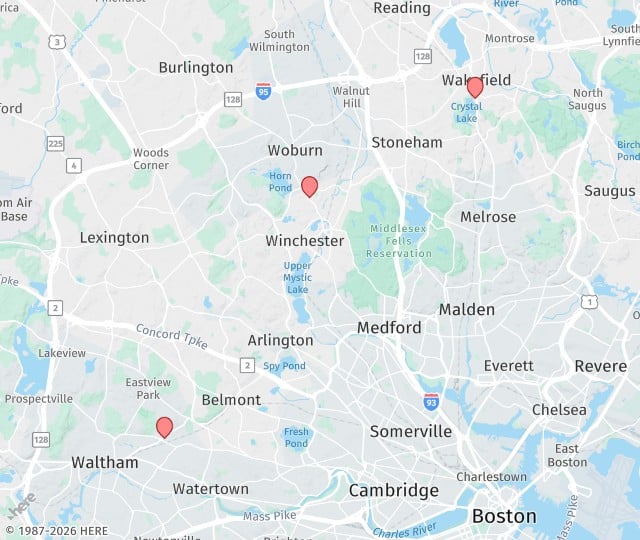
Getting older changes many aspects of eye health, and glaucoma deserves more attention with age. At North Suburban Eye Associates, P.C., our glaucoma care in Wakefield and Winchester includes diagnosis, monitoring, and treatment of this sight-threatening disease. C. Douglas Evans, MD has practiced with our team since 1993, has been certified by the American Board of Ophthalmology since 1991, and specializes in glaucoma surgery.
How Does Age Affect Your Glaucoma Risk?
Glaucoma can develop at any age, but it is more common among older adults. Aging by itself does not explain why someone develops the disease, and researchers still do not fully understand the causes of the most common forms. What we do know is that the likelihood of glaucoma increases with age, making regular evaluation of the optic nerve and vision increasingly relevant as you get older.
Age is not the only consideration. Family history, diabetes, nearsightedness, and elevated eye pressure can also influence how closely your eyes should be monitored. If a parent or sibling has been diagnosed, understanding your family history of glaucoma can help your eye doctor determine an appropriate exam schedule.
Can You Have Glaucoma if Your Vision Seems Normal?
Yes. Open-angle glaucoma, the most common form, can progress slowly without producing noticeable symptoms at first. You may still read, drive, and carry out everyday activities while changes to the optic nerve are developing. Normal eye pressure does not completely rule it out either, since glaucoma can occur in people whose pressure falls within a normal range.
That is why waiting until your vision seems different is not a reliable way to catch the disease. Our article about glaucoma as a silent threat to vision explains this concern in more detail.
A glaucoma evaluation also goes beyond checking whether your glasses prescription has changed. A medical eye exam may include eye-pressure measurement, examination of the optic nerve, peripheral vision testing, and other tests based on your findings. Our guide to routine and medical eye exams explains how those visits differ.
How Often Should Older Adults Be Checked for Glaucoma?
The National Eye Institute recommends a comprehensive dilated eye exam every one to two years for people at higher risk, including adults over age 60 and those with a family history of glaucoma. Your ophthalmologist may recommend a different schedule based on your eye health and previous exam findings.
If glaucoma is detected, treatment may include prescription eye drops, laser treatment, or surgery. These treatments cannot restore optic nerve damage that has already occurred, so the goal is to limit further damage and protect the vision you still have. You can read more about how glaucoma is treated if you are researching what may follow a diagnosis.
If you are getting older and it has been some time since your last comprehensive eye exam, contact us to discuss glaucoma screening with Dr. Evans and our team at North Suburban Eye Associates, P.C. in Wakefield or Winchester, MA. Call 781-245-5200 to make an appointment.